🩻 Natural Bone Health: Building Better Bones—Naturally
Why Strong Bones Aren’t Just About Density

For decades, bone health has been measured by one narrow yardstick: bone density. The World Health Organization decided long ago that the bones of a 25-year-old woman would serve as the gold standard—an oddly arbitrary choice when you consider that bone composition naturally evolves with age. Density alone doesn’t define strength any more than weight alone defines fitness.
True bone resilience depends not only on minerals but on the living collagen matrix, the micro-architecture, the flexibility that allows a bone to bend without breaking. When we view bones as dynamic, living tissue rather than static scaffolding, the approach to keeping them strong changes dramatically.
💊 The Limits of Conventional Treatment

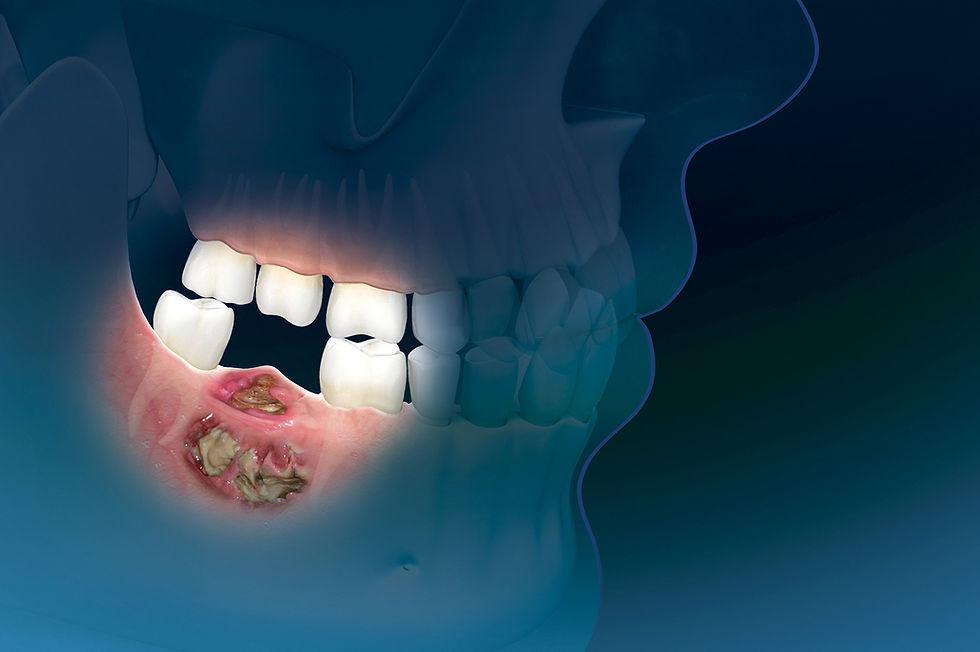
Mainstream medicine often turns to bisphosphonates—drugs that halt the breakdown of old bone cells. While that sounds appealing, the result is a skeleton filled with old, brittle bone that cannot properly remodel or repair itself. (More on that in the upcoming post “The Dark Side of Bisphosphonates.”)
If our goal is genuine bone vitality, we need to support the natural cycle of bone breakdown and renewal, not freeze it in place. That means providing the nutrients and cofactors required for healthy remodeling from the inside out.

🌿 A Nutritional/Hormonal Blueprint for Natural Bone Health
Below are the key nutrients and compounds I rely on in clinical practice to build stronger, more resilient bones—and healthier arteries at the same time.
Vitamin C — The Collagen Catalyst
Vitamin C is essential for collagen synthesis, the flexible protein framework that gives bone its internal “shock absorber.” Some researchers even describe osteoporosis as “scurvy of the bone.” Without enough vitamin C, bones may be dense but brittle.
Vitamin D₃ + K₂ — Directing Calcium Where It Belongs
Vitamin D increases calcium absorption, but without vitamin K₂, that calcium can end up in arteries instead of bone. K₂ activates proteins that escort calcium into the skeleton and out of soft tissues—supporting both bone and cardiovascular health.
Magnesium — The Unsung Structural Mineral
More than half of the body’s magnesium resides in bone. It keeps calcium in proper balance, activates vitamin D, and contributes to bone elasticity. Magnesium deficiency often goes unnoticed yet underlies many cases of low bone quality.
Boron — The Silent Regulator
Boron slows bone loss by supporting estrogen, testosterone, and vitamin D metabolism. Even small amounts (3–9 mg/day) have been shown to improve calcium retention and increase bone strength.
Iodine — For Thyroid and Bone Metabolism
Thyroid hormones regulate the rate of bone turnover. Adequate iodine (with selenium) ensures that renewal happens at the proper pace—not too fast, not too slow.
Strontium — The Strength Multiplier
Strontium is a naturally occurring trace mineral that closely resembles calcium but behaves a bit differently once incorporated into bone. It stimulates bone-building osteoblasts while slowing the activity of bone-resorbing osteoclasts—helping to tip the balance toward renewal and strength.Clinical studies have shown that strontium supplementation can increase bone density and significantly reduce fracture risk. When used properly—separately from calcium by at least two hours—it can be a valuable addition to a natural bone-support program.
DHEA & Progesterone — Hormonal Allies
With age—especially after menopause—declining DHEA and progesterone leave bones more vulnerable. Restoring gentle physiological levels helps maintain bone-building signals and supports mood, muscle, and libido as welcome bonuses.
Vitamin A (from Fish Liver Oil)
Natural retinol (not synthetic retinyl forms) balances osteoblast and osteoclast activity, helping bones remodel efficiently. It works synergistically with vitamins D and K for optimal skeletal metabolism.
Tocotrienols — Vitamin E’s Powerful Cousins
Tocotrienols reduce oxidative stress within bone tissue and inhibit excessive bone-resorbing activity. They also support cardiovascular and skin health—a triple win.
PQQ + CoQ₁₀ — Energizing Bone Cells
Bone formation is an energy-intensive process. PQQ (pyrroloquinoline quinone) and CoQ₁₀ enhance mitochondrial function, ensuring osteoblasts have the power to build and repair bone effectively.
Glutathione — The Master Antioxidant
Oxidative stress accelerates bone loss. Supporting glutathione—especially in its S-acetyl form—protects bone cells from damage and assists in detoxification pathways tied to hormonal balance.
Collagen, Silica, and MSM — The Structural Trio
Collagen provides the matrix; silica strengthens connective tissue; MSM donates sulfur for cross-linking. Together, they create the resilient framework upon which minerals are laid down.
Sulforaphane — The Cruciferous Protector
Sulforaphane, the powerful phytonutrient in broccoli sprouts, kale, and Brussels sprouts, is gaining recognition for its role in bone metabolism. It activates the NRF2 pathway, reducing oxidative stress in bone tissue and protecting osteoblasts (the cells that build bone) from damage and premature death. At the same time, sulforaphane helps inhibit osteoclast overactivity, reducing unnecessary bone breakdown. While research is still early, these dual actions make it a promising dietary ally for maintaining healthy bone turnover.
🍎 Diet for Bone Resilience

A bone-friendly diet is colorful, mineral-rich, and anti-inflammatory.
Protein: Essential for collagen and osteocalcin production—don’t skimp!
Mineral-rich foods: Sea vegetables, leafy greens, sesame seeds, almonds, sardines (bones included).
Vitamin C–rich produce: Citrus, bell peppers, berries, kiwi.
Healthy fats: Omega-3s from fish or flax, avocado, olive oil, coconut.
Limit: Processed foods, refined sugar, and excessive caffeine, which leach minerals and increase acidity.
Bonus: Homemade bone broth for natural collagen and trace minerals.

🌬️ Breathwork and Alkalinity
Bone is one of the body’s major pH buffers—if the internal environment becomes acidic, minerals like calcium and magnesium are pulled from bone to restore balance.Deep diaphragmatic breathing helps alkalize the body by releasing excess carbon dioxide. Gentle breathwork or daily mindful breathing practices support systemic pH balance and stress reduction—both of which preserve bone mineral stores.
🏋️ Exercise: The Ultimate Bone Signal

Bone responds to stress—healthy stress. Weight-bearing and resistance exercise signal bones to strengthen and adapt.Walking, hiking, resistance bands, light weights, yoga, and rebounding are all excellent choices. The key is consistency and variety—bones thrive on movement.
💬 Final Thoughts
Your bones are alive—they feel, adapt, and respond to care. When we nourish them properly through nutrients, diet, breath, and movement, they renew themselves every seven to ten years. Bone health isn’t lost with age; it’s reclaimed through intelligent, integrative support.
Stay tuned for Part Two: “The Dark Side of Bisphosphonates”—what these drugs really do inside your bones and why safer, smarter options are worth exploring.